
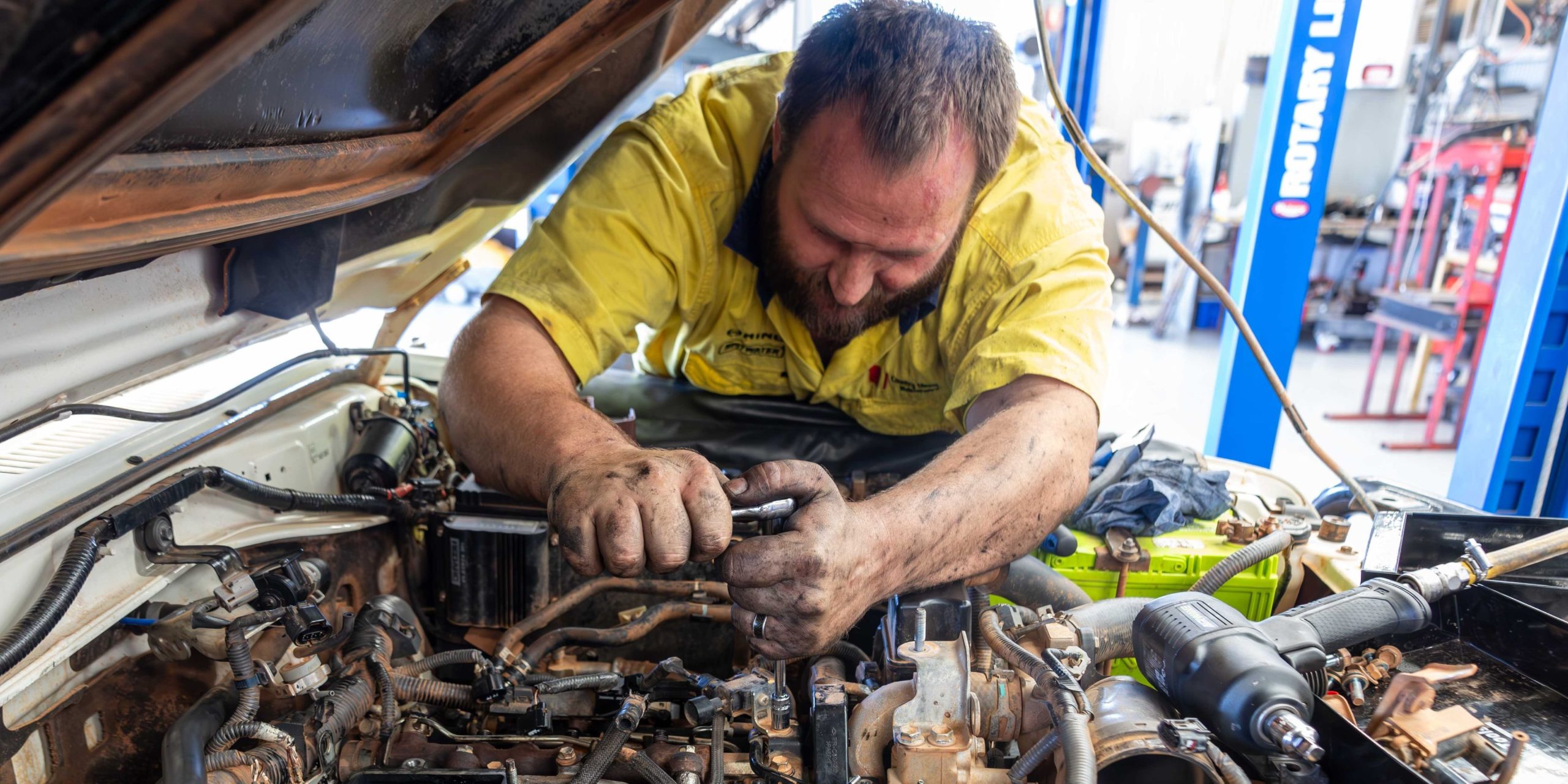
Central Australia! Our country’s most unique conditions. Red dusty soil, hot desert sun and unsealed corrugated roads. We’ve been operating our business here in Alice Springs, NT, for over 30 years. The environment is unlike any other; its harshness draws many to explore it and call it home. However, unfortunately, nothing is truly built to face this unique climate, putting the vehicle under pressure and the passengers in danger.
While manufacturers’ service schedules are built for average conditions, those standards often fall short out here in the Northern Territory. With many living and working here in such a vast and unique desert landscape, it’s essential for us as a mechanical business to have expertise and a deep understanding of the landscape, along with preventive maintenance strategies to address the unique demands of the outback and keep you safe on the move. At Country Diesel Maintenance, we see many vehicles facing similar issues due to the tough environment, and we believe that education about common vehicle problems can make all the difference between life and death.
The most common problem we see in vehicles out here is fatigue-related issues —the kind you would typically expect in a 10-year-old or older vehicle, but in vehicles as young as 6 months old. The rugged terrain, in particular the unsealed roads, puts extra strain on every part of your vehicle, wearing down even the most well-maintained cars and trucks. The combination of high speeds and corrugated roads amplifies suspension oscillation and reduces traction with the road. This results in delayed steering response and accelerated wear.
Fatigue presents in a few different ways:
The most common issue caused by fatigue is shock absorber failure. This problem is the easiest to detect and usually appears the quickest. These symptoms can be identified without needing any technical knowledge. If you’re driving your vehicle consistently, you’re going to notice that after a rough road, your vehicle becomes “boaty”, meaning it is not very responsive when turning the steering wheel. This is a sign of shock absorber failure; it will feel like the vehicle is wallowing when changing directions, for example, casually turning the corner rather than reactively responding.
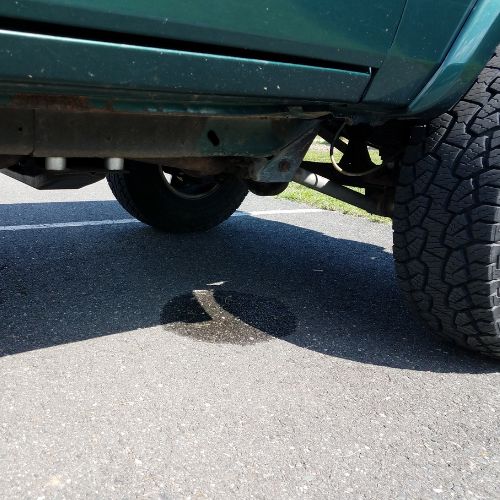
Leaks can also be another indicator. To check for this, just look under the vehicle for any fluid on the ground. The best thing to do when you spot a leak is to photograph it and send us a text at 0483908173. We can help diagnose what may be occurring and whether the vehicle is safe to drive. It’s important to note that some vehicles do not always leak externally when experiencing shock absorber failure; instead, they actually fail internally. Generally, the actual feeling of ‘boaty’ or being unresponsive when turning is the most significant sign. Vehicles would be considered unsafe if, when hitting one little bump, they just kept bouncing along like an old lowrider from the 1980s. This is what you could consider a catastrophic failure of a shock; you should immediately try to get either home or to your nearest repair agent to get new components. You may be better off getting a tow in these circumstances.
Our recommendations to prevent shock absorber failure are to adjust your tyre pressure to a softer setting and slow down. A good off-road speed is no more than 80 kilometres an hour, and it really does come down to the conditions. Most people are told to go faster when the roads are rough, but in reality, it’s the other way around. So you’ve got to lift your foot and go slower, take your time. A good way to think about “speed” is: take a look around at the bush you are driving near, if you had to drive into that bushland off the road at that moment, do you think you have the skill to hold onto the vehicle and stop it safely at the speed you’re doing? Because a flat tyre or blown shock will send you there without your choice.
Cracked differential housings or broken springs are another fatigue-related issue. This is indicated by clucking noises and a vehicle sitting low or crooked at a corner. Broken springs can also make the suspension feel rigid. You hit a bump, and it feels stiff. Spring failure is also often a byproduct of faulty shock absorbers. Springs also suffer when they have insufficient travel, so having well-maintained suspension or better clearance goes a long way with a well-engineered shock that operates all day long without overheating, spring failure when remote becomes a rarity.
Broken differential housings are common for corrugated roads and are also a byproduct of shocks, high-speed driving or inappropriate suspension for the task. They leak when faulty, so refer to oil leaks for tips on identifying this fault. However, preventing this issue depends on speed, tyre pressures, and capable suspension.
Again, photograph it and text Country Diesel Maintenance (0483908173) or your nearest mechanic. It doesn’t matter if you’re wrong or right; we can provide feedback and support.
Oil leaks are another sign that there is a fatigue-related issue. A simple way to check if your vehicle is losing oil is to watch the ground where you park. After letting the vehicle sit, when you go to move it, take a quick look underneath the car or truck. Look for puddles! Note: If you’re parked on dirt, a small spot can actually be quite deceiving, especially if you’re on sand. For example, due to its thin consistency compared to other oils, diesel seeps into the ground quickly. This means a significant leak of 20 + litres could be disguised as a single small spot on the sand, making the accurate scale of the spill difficult to notice. So don’t ignore even the little spots!
If you do spot a puddle, try to investigate where it might be coming from underneath the vehicle. If it looks really messy, then we recommend it’s a good reason to get a tow truck or find a nearby service station. We also suggest proving it’s oil by simply sticking your fingers in a drop of the suspected fluid and then rubbing them together. Water will have friction as it evaporates from your skin, whereas oil won’t do this. It’s slippery, so test it to be sure!
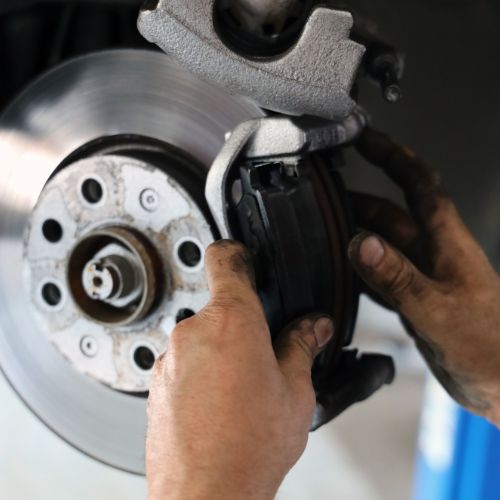
Brakes and handbrakes wear amazingly fast out here, particularly in wet weather. Muddy conditions are actually the biggest killer for brakes; mud will get into your brakes, usually at the rear of the vehicle and just churn its way through the pads. We’ve seen brand-new brake pads worn down from trying to trudge through mud. Pay attention to when you put your foot on the brake pedal. If it really disappears and the immediate re-press feels firm, that’s an early indication that there is mud in the brakes, causing a gap between the brake pad and the disc. Unfortunately, wear cannot be prevented, but avoiding mud altogether helps prolong the parts. We recommend cleaning the brakes by hosing them out for those times when mud can’t be avoided.
In catastrophic cases, brake noise won’t sound good at all; a loud scraping noise will occur. It’s like someone’s scraping sandpaper over a bit of wood, but worse. Pedal operation may be hard to pick, so brake fluid loss will be the easiest to monitor and highlight to you if there is a brake problem. Brake fluid should stay at the full mark (max). If a drop is detected, this indicates wear or a leak. Always read the instructions on the reservoir, as some vehicles are not easy to check. Brake fluid, in particular, should be like a rock; never move off the mark! We suggest that any significant changes to your brakes be checked and replaced if necessary to ensure your safety.
If you are about to cross Big Red in the Simpson Desert or follow the Binns Track, it is essential to establish a routine of daily pre-start checks to ensure the vehicle’s fluid levels are correct first thing in the morning. Now, if you don’t know how to do this, YouTube has a wealth of knowledge, but you’re welcome to come into Country Diesel Maintenance, and one of our mechanics can show you how to do it. We encourage you to perform this when the car is cool, as it’s safer. Brake fluid should remain on the full mark all day long, 365 days a year, so if you’ve been through a bit of mud and the level has moved down a little bit, you’ve got a problem. It doesn’t have to be empty to show signs of significant brake wear or failure.
Abnormal tyre wear can be evident in vehicles that have been used on Northern Territory terrain. It can present as tyre pressure issues, wheels out of alignment or reduced tread. For wheel-related problems, we recommend going to the nearest tyre retailer to diagnose and repair or replace tyres.
However, for front tyres in the Central Australian conditions, we look at the tread block or the shoulder being uneven. “Rounded” shoulders and wave-like lugs indicate misalignment or pressure issues. This can also present in noises and vibrations. For the rear tyres, high speeds mixed with dirt can cause wheels to slip or spin out, resulting in the tread “chewing out”. To prevent rapid wear, we recommend slowing down in these conditions.
To stay safe during off-roading adventures, it’s crucial to maintain correct pressure. “What pressure do you need?” Start with the tyre placard and talk to a mechanic. Tyre shops look after their tyres and encourage high pressure. Mechanics look after everything else, so recommend sacrificing your tyres for the rest of the vehicle. It’s pretty tricky to give you a number to follow, so this requires a chat when you’re learning. In your pre-start checks, ensure to inspect for any abnormal wear and get a wheel alignment before starting your adventure.
While fatigue-related issues remain most common, there is one unique issue we face here that we can’t escape from in the heat of the Australian desert: vehicles overheating. The vehicle’s radiator (the part that keeps all the heat out of the engine) is located metres away from the road. With temperatures during the outback summer consistently reaching 40-45 degrees Celsius, the Bitumen temperatures soar over 70 degrees Celsius. To avoid steam coming out of your bonnet, your temperature gauge needs to be your best friend when road tripping in the Central Australian summer. In typical operation, the temperature gauge on your dashboard shouldn’t wiggle at all, remaining firmly at the halfway mark. Early signs of overheating include the gauge starting to rise or your air conditioning cutting out.
If you catch your temperature gauge wiggling off its normal position, slow down, take 10 kilometres off your top speed and see what happens. If you think you’re hallucinating, go back up to speed, then watch the needle (safely, of course!). After monitoring, if it moves past the halfway point, lift your foot off and slow down to give the engine a chance to cool down. Don’t stop all the way just yet. Just slow down. Say you are going 120 km/hr, peel it back to 90 km/hr and just do that for five minutes. If the temperature gauge continues to climb, you’ve entered a danger zone, so we recommend it’s better off stopping at that point. Out here in the NT, road speed limits can hit around 130 km/hr, so driving at 60 is highly dangerous and can put yourself and others at risk of an accident. If the temperature gauge doesn’t come down at all, we advise you to shut the vehicle down and seek help. A specialist can help diagnose the problem and fix it, whether it’s cleaning out the radiator or dealing with a really old system that needs repair. However, if you’re road tripping, our number one recommendation to avoid overheating is to keep the radiator clean! If you have been off in the bush, keep the area clean of grass and bug guts, as they can block the radiator externally, causing the system to overheat. Of course, prior to leaving, preventative maintenance is key, so have someone confirm the system is operating at 100%.
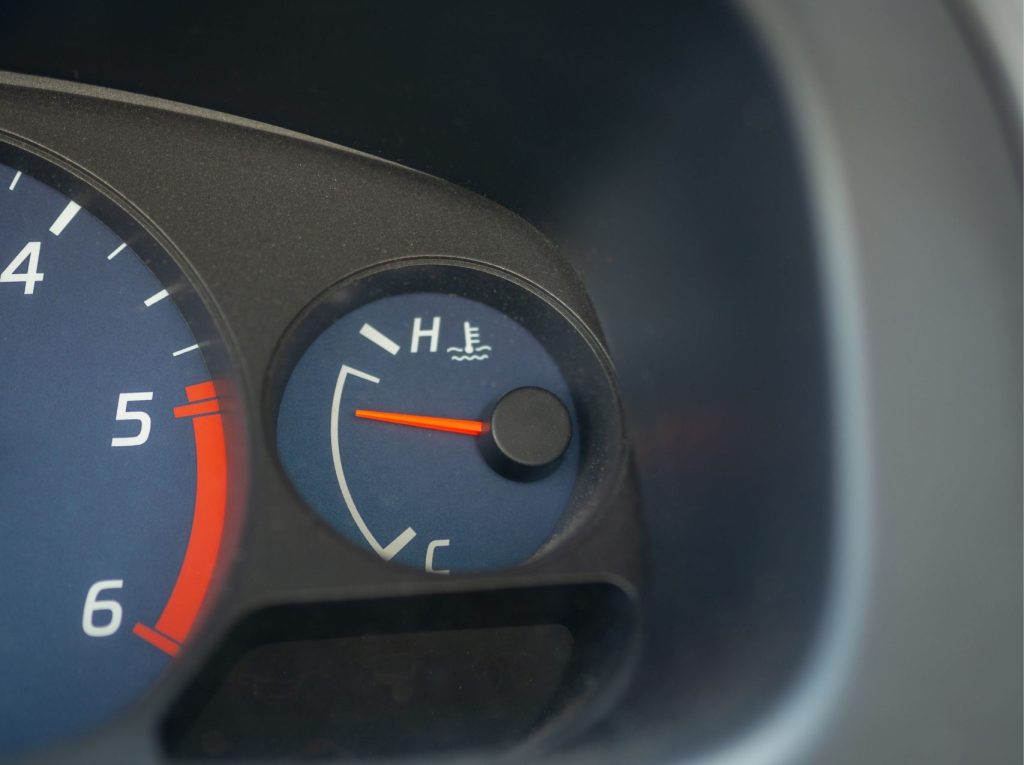
Tip: If you’re someone who likes accessories, you’ve got to get yourself a WATCHDOG. It will beep at you when your cooling system gets too hot, which can be due to the grass seeds or coolant loss. We also like the RedArc low water alarm, but this is restricted to water loss only.
Another common issue we see is dirty fuel or contaminated fuel. Most modern systems have a light on the dashboard to tell you when it’s blocked- don’t ignore this. We recommend going and getting a new fuel filter (they’re cheaper than injectors). We usually replace our own fuel filters every 15,000 kilometres unless it’s a petrol engine. We regularly see customers continuing to drive with that light on the dashboard, which actually creates more damage. A specialist will help diagnose the issue with your tank, which may require a cleanout or a change of fuel supplier.
Before your next adventure, contact us to book a preventative maintenance service to protect your vehicle from these problems and keep you moving.
